
What If You Could Teach Your Teen to Choose Health Over Perfection?

Teens face so many messages about how their bodies should look, and as parents, it can be hard to know how to help. What can we say when our teen starts criticizing their appearance or feeling uncomfortable in their own skin? ALCS therapist Hannah Park, MA, LPC, is a Certified Inclusive Eating Disorder Specialist (IEDS). In this post, she shares practical ways parents can encourage a healthier relationship with food, movement, and body image, helping teens learn to value themselves beyond what they see in the mirror.
I hear a lot about body dissatisfaction in both my professional and personal life.
"If I could just lose 10 pounds, then I'll feel good about myself."
"If I put on 5 pounds of muscle, I'll finally get that cute activewear set I've been eyeing."
"If I eat 'good' at lunch, I can have that cookie later."
Or perhaps it's something more direct: "I'm fat, and I need to lose weight."
I hear it from parents, too. "I just don't think they're eating enough." Or the immediate concern and panic when a parent hears their child call themselves fat for the first time.
These conversations reflect just how much our relationship with our bodies can influence the way we see ourselves.
Here's something worth considering: If we continually talk to ourselves like a bully, why would we expect to feel confident, comfortable, or accepting of our bodies?
We often approach body image as something we need to fix. We believe that once we lose the weight, build the muscle, fit into a certain size, or look a particular way, we'll finally feel good about ourselves.
But what happens when we reach that goal? Does the criticism stop? Or do we simply find something else about ourselves that needs changing?
What if the conversation started changing in your home?
You may not have control over the shape or size of your body, but you can learn to care for and appreciate the body you have now. And you can teach your teen to choose health over perfection.
Shift the Focus From Appearance to Well-Being
For teens, this means shifting the focus away from achieving a particular appearance and toward developing habits and experiences that support their overall well-being.
It means learning to nourish their bodies without guilt, move in ways they enjoy, get adequate rest, and recognize that health is about much more than how we look in our favorite pair of jeans.
It also means helping them discover what their bodies are capable of.
When I was in high school, I joined my small-town dance company. I poured everything into being the best dancer I could be. Of course, I didn't go on to become a principal dancer in the Austin Ballet. But the drive, hard work, and sense of competence I developed through dance helped me succeed in my professional career and fostered a lifelong love of movement and using the body I have.
When teens participate in activities they enjoy, they have opportunities to discover their strengths, develop new skills, and experience their bodies as capable. These experiences can build competence, perseverance, confidence, and a sense of accomplishment.
The goal isn't to become the fastest, strongest, or most athletic person in the room. It's to discover what brings enjoyment, challenge themselves in meaningful ways, and appreciate their own growth.
And movement doesn't have to look like competitive sports. Dancing, walking, swimming, biking, playing outside, or enjoying an activity with friends can all provide opportunities for connection and enjoyment.
Pay Attention to What You're Modeling
Your teen is listening to the way you talk about food, your body, exercise, and your appearance.
When we criticize our own appearance, obsess over weight, or teach that food has to be earned, we may unintentionally teach our kids to do the same.
This doesn't mean we have to have a perfect body image to model a healthier relationship with our bodies. We can start by noticing our own critical thoughts and choosing not to reinforce them.
We can talk about movement as an opportunity to build strength, relieve stress, have fun, and connect with others. We can enjoy food without attaching guilt or moral value to it. We can demonstrate that rest is necessary and that our worth isn't determined by our appearance.
Small changes in the way we speak and behave can help create a home where teens feel less pressure to criticize their bodies and more permission to care for them.
Respond With Curiosity, Not Panic
When our teens express dissatisfaction with their bodies, it's natural to want to reassure them immediately or make the uncomfortable feelings go away.
But sometimes, our teens need us to listen more than they need us to reassure them.
Instead of immediately correcting or dismissing their feelings, try asking:
These conversations create opportunities for connection and help teens feel heard rather than judged. They also allow us to better understand what may be contributing to their body dissatisfaction.
But sometimes, our teens need us to listen more than they need us to reassure them.
Instead of immediately correcting or dismissing their feelings, try asking:
- "What has made you feel this way about your body?"
- "Where do you think you're getting these messages?"
- "What do you enjoy doing that makes you feel good in your body?"
- "How can I help you feel supported right now?"
These conversations create opportunities for connection and help teens feel heard rather than judged. They also allow us to better understand what may be contributing to their body dissatisfaction.
Health Over Perfection
Choosing health over perfection doesn't mean never having a fitness goal, wanting to get stronger
or faster, or working toward something challenging.
It simply means these goals don't define your worth.
Some days, caring for ourselves looks like movement. Other days, it looks like rest. Sometimes it means trying something new, and sometimes it means giving ourselves permission to step back.
We want our teens to develop a relationship with their bodies that allows for flexibility, appreciation, and respect rather than constant evaluation.
As parents, we don't have to teach our teens to love every part of their bodies every day. We can help them learn that their bodies deserve care, nourishment, and respect regardless of how they feel about their appearance.
A Note for Parents
If body image concerns are becoming a source of distress for your teen or affecting their eating habits, relationships, or daily life, you don't have to navigate those concerns alone.
As a therapist, I believe supporting teens starts with creating a space where they feel heard, understood, and valued beyond their appearance. Therapy can help teens explore the messages they receive about their bodies, develop a more compassionate relationship with themselves, and build healthier ways of coping with difficult feelings. If your teen is struggling with body image or their relationship with food, I'd be glad to walk alongside your family as you navigate these concerns together.
As a therapist, I believe supporting teens starts with creating a space where they feel heard, understood, and valued beyond their appearance. Therapy can help teens explore the messages they receive about their bodies, develop a more compassionate relationship with themselves, and build healthier ways of coping with difficult feelings. If your teen is struggling with body image or their relationship with food, I'd be glad to walk alongside your family as you navigate these concerns together.
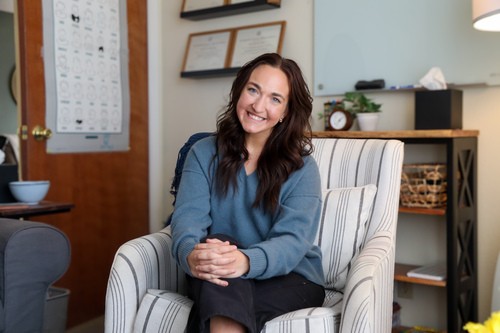
Hannah works with children, teens, adults, and families, and is passionate about helping people struggling with self-harm, trauma, anxiety, eating disorders, disordered eating, body image concerns, OCD, and sports performance. As she comes to understand each client as a unique individual, she draws from a variety of therapeutic approaches to foster growth tailored to their specific story. If you would like to meet with Hannah or another ALCS counselor, please contact our office.
For specific questions, email Hannah at hannah@abundantlifecounseling.com.
For specific questions, email Hannah at hannah@abundantlifecounseling.com.
Posted in Blogs by Hannah